
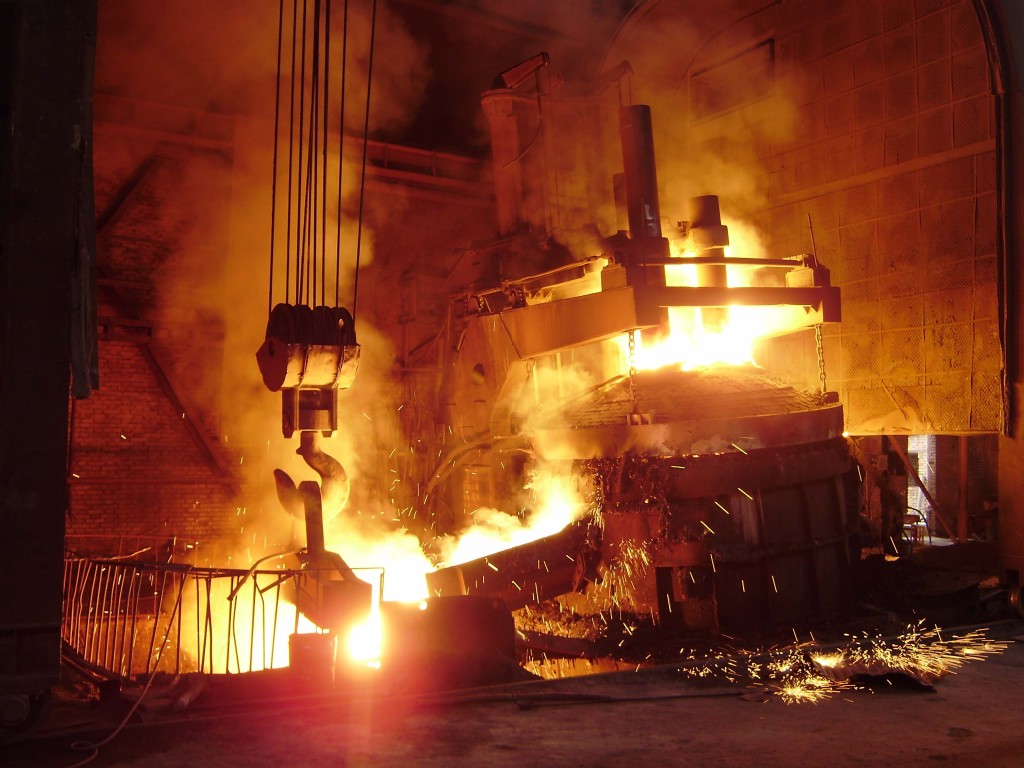
The initiative aims to reduce the cost of domestic steel transport
Canada has launched a programme worth 100 million Canadian dollars ($71.7 million) to reduce domestic steel transport costs. This is according to a statement from the country’s federal government.
The Raw Materials Sector Support Programme began on 10 August. Under the programme, shippers will be reimbursed 50 per cent of the costs for relevant rail and sea transport of Canadian steel products between provinces and territories. The initiative will run until summer 2027 or until funds are exhausted.
“Reducing transport costs can help Canadian businesses succeed, tap into new domestic markets and supply more Canadian steel to projects that need it,” the government statement said.
The list of goods eligible for the 50 per cent discount on delivery is available on the relevant portal.
As noted, the discount applies only to steel or steel products shipped from Canada and destined for a location within the country. For rail shipments, this applies to interprovincial transport by railcar; for sea shipments, it applies to cargo not transported in containers.
The programme covers not only a wide range of steel products, but also raw materials and primary metals, such as cast iron, semi-finished products, direct-reduced iron, ferroalloys and scrap.
Rail shipments originating from the ports of Vancouver, Prince Rupert and Montreal are not eligible for the discount, but it may apply to cargoes whose final destination is one of these ports.
Transport Canada may update the list of eligible goods and ports that are not permitted as points of origin. The department may also conduct audits or inspections to verify that applications for the discount comply with the programme’s rules.
It should be recalled that in June it was reported that Canada would extend tariff rate quotas (TRQs) on metal products and preferential tariffs on imports of certain types of steel and aluminium from the US for one year. The government cited the need to protect workers in the sector from global excess production capacity and to provide long-term certainty for producers and importers.