
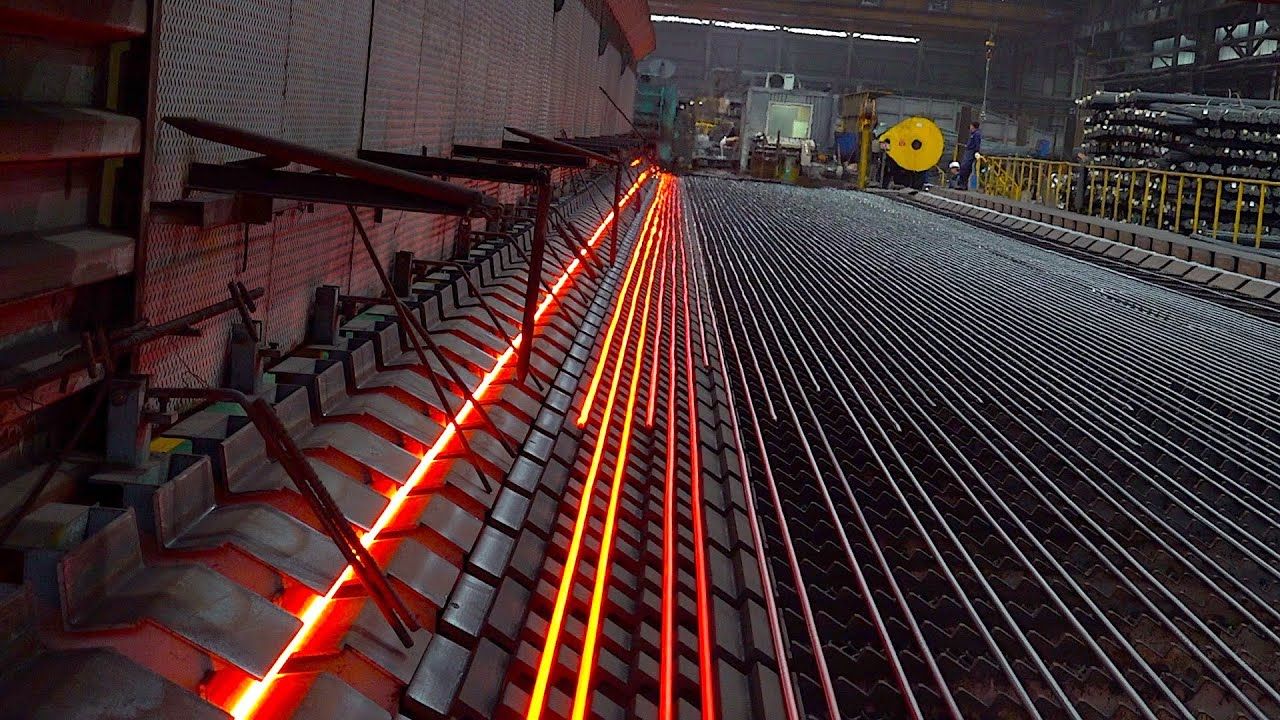
Demand in the EU remains weak due to the seasonal lull and low activity in the construction sector
The balance of supply and demand in the global market for shaped steel has deteriorated slightly since June in terms of international trade, although producers have already begun to respond to the situation. This is stated in a report by the IREPAS association, which represents the interests of producers and exporters of reinforcing bars, as well as section and long products.
Global steel production, having risen by 1.7% in June, fell by 0.3% in July year-on-year. In particular, China’s output fell by 3.6% in July. Overall, for January–July, global production fell by just 0.6%, which does not yet indicate a significant rebalancing of the market.
It is difficult to predict how events will unfold due to geopolitical tensions in the Black Sea basin and the Strait of Hormuz, which are hampering international trade and logistics, putting upward pressure on prices.
A significant rise in the prices of natural gas, electricity and coal is creating an inflationary environment. A rare combination has emerged: weak demand is coupled with rising production costs, which is increasing market volatility.
The tightening of import quotas in the EU and the UK from 1 July helped to improve the balance in their domestic markets, but redirected surplus volumes to other open markets.
The situation in Europe and the US:
The European Union. Demand remains weak due to the seasonal lull and low activity in the construction sector. However, the surge in energy prices and the rising cost of river transport due to the shallowing of major waterways are forcing European factories to raise their prices. The rise in prices is driven solely by raw material and input costs, rather than by a recovery in consumption.
USA. The US market is showing positive growth. Domestic steel shipments rose by 5.3% in the first half of the year, and demand is expected to grow by 1.7% for the year as a whole, supported by infrastructure projects and investment in the technology sector (particularly artificial intelligence). Imports into the US have fallen by 22% since the start of the year. High interest rates continue to hold back housing construction, but the market remains more favourable for domestic producers than for importers.
IREPAS experts expect that, in the coming quarter, prices for high-grade rolled steel will remain under pressure from supply-side factors — rising costs, trade restrictions and geopolitical disruptions.
The global scrap market remains weak, as mills are holding back on purchases to maintain their margins. A more noticeable improvement in global demand for steel is not forecast until 2027, whilst the most promising regions for sales currently remain India, South-East Asia, Africa and certain segments of the construction sector in the US.
Related Posts
- ▶ IREPAS: High-Grade Rolled Steel Prices Under Pressure
- ▶ Canada doubles counter-tariff on US steel to 50 percent, effective September 8
- ▶ Industrial production in the EU rose by 0.2% m/m in June
- ▶ Canada Has Launched A Discount Scheme For The Transport Of Steel Products
- ▶ ArcelorMittal 1H2026 Revenue Rises to $32.2 Billion
- ▶ The US has imposed new tariffs on 60 trading partners
- ▶ Nucor Raises US Hot-Rolled Coil Prices to $1,135/t
- ▶ Formosa is cutting prices for hot-rolled steel for sale in August and September
- ▶ EU Steel Import Restrictions Challenge South Africa
- ▶ Germany Steel Output Up 7.3% YoY in May 2026
Online Message


Leave A Message
If you are interested in our products and want to know more details, please leave a message here, we will reply you as soon as we can.